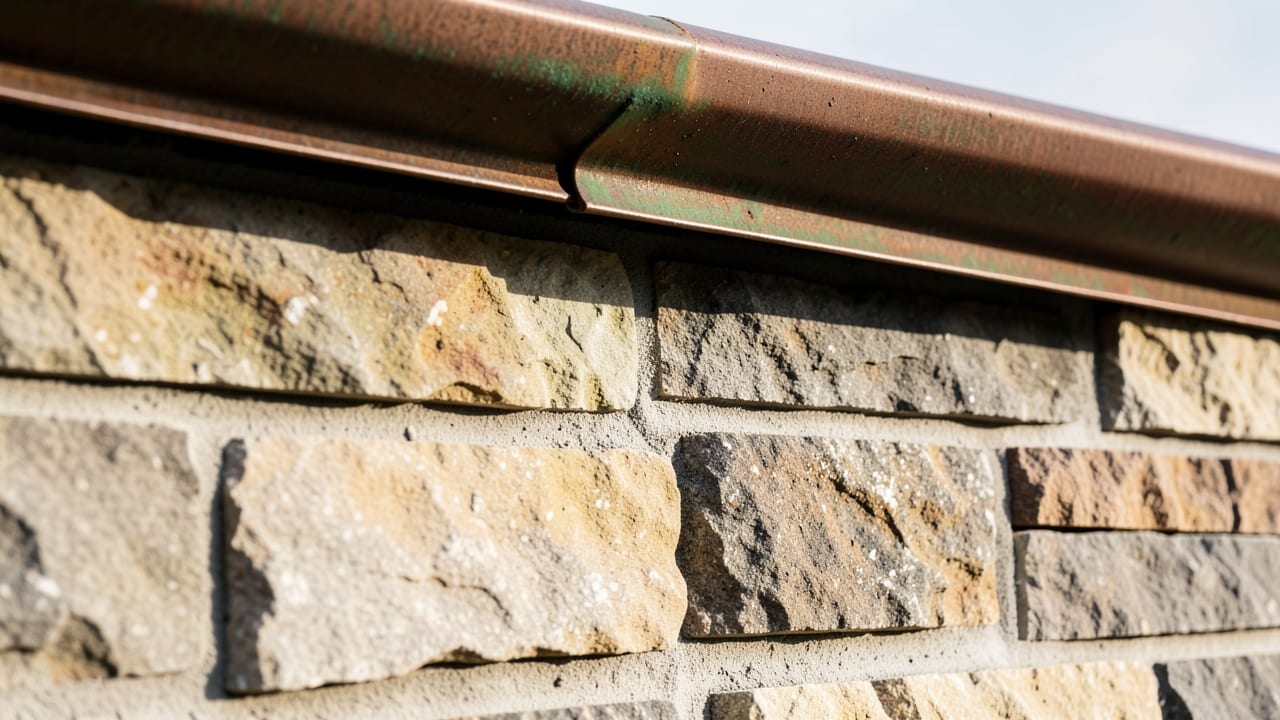
Stone Veneer Gutter Flashing
Installing or repairing stone veneer gutter flashing to prevent water damage behind siding.
Stone veneer gutter flashing in Tigard, OR, is a critical detail for homes with exterior stone siding. This protective barrier, installed where the roof meets the stone, directs water into gutters while preventing moisture damage to walls. Proper flashing ensures long-term durability, especially in Tigard’s variable climate with rain and seasonal freeze-thaw cycles. Without it, water can seep behind the stone, causing rot, mold, or structural issues over time.
Why stone veneer flashing fails (and how to spot it)
Stone veneer gutter flashing often fails due to improper installation or wear over time. Rust, loose hangers, or gaps at seams are common warning signs. Unlike gutters, flashing is hidden behind the stone, so damage may go unnoticed until water starts leaking into walls or basements. Regular inspections after storms or seasonal changes can catch issues before they escalate.
We also handle Gutter Cleaning and Gutter Guard Installation for Tigard properties.
A sagging gutter section, water stains on the stone, or a musty smell near the foundation are red flags. These symptoms indicate water isn’t draining properly, often due to a failed seal, incorrect pitch, or undersized downspouts. Addressing these early prevents costly repairs, like rotten fascia or water-damaged drywall.
Signs Your Stone Veneer Flashing Needs Repair
- Water pooling or dripping near the base of the stone veneer after rain (not from the roof itself).
- Visible rust holes, flaking metal, or separated seams along the gutter flashing.
- Gutters sagging or pulling away from the fascia in multiple spots (not just one hanger).
- Downspouts overflowing at the top during heavy rain, even when clear of debris.
- Mold, mildew, or peeling paint on walls/siding directly below the flashing line.
What affects pricing and timing for flashing repairs?
The cost and time for stone veneer gutter flashing repairs depend on the extent of damage, roof complexity, and materials used. A single section replacement is quicker and cheaper than a full run rehang or sealant overhaul. Multi-story homes or steep roofs add labor time, as do custom cuts for corners or downspouts. Synthetic flashing materials may cost more upfront but last longer than basic aluminum in Tigard’s climate.
Permits or structural repairs (e.g., replacing rotted fascia) can also impact timing and cost. Always ask for a written scope detailing what’s included—some quotes exclude downspout clearing or debris disposal. A full inspection before work begins ensures no hidden issues (like undersized downspouts) are missed, which could lead to recurring problems.
| Factor | Impact on Cost/Timing | Example |
|---|---|---|
| Damage Scope | Larger repairs (full run vs. single section) increase labor and material costs. | Replacing 3 hangers: $150–$300 | Full 50-foot run: $800–$2,000+ |
| Roof Complexity | Multi-story or steep roofs require safety gear, scaffolding, or specialized tools. | Single-story: 1–2 hours | Two-story with steep pitch: 4–6 hours |
| Material Choice | Aluminum is standard; copper or galvanized steel adds 30–50% to material costs. | Aluminum flashing: $2–$5/linear foot | Copper: $8–$15/linear foot |
| Debris Disposal | Haul-away fees apply if debris isn’t left on-site; some contractors bundle this into the quote. | Bagged debris left on property: $0 | Haul-away: $50–$150 extra |
| Permits/Inspections | Required for structural repairs (e.g., fascia replacement) but not for flashing-only work. | Fascia repair permit: $50–$100 | Flashing-only: No permit needed |
Preventative maintenance: when to check your flashing
Stone veneer flashing should be inspected at least twice a year—after winter (for ice damage) and before fall (to prep for rain). Look for hairline gaps at seams, loose hangers, or signs of rust, even if water isn’t visibly leaking. A proactive check catches issues before they require a full replacement, saving time and money. For homes in Tigard’s wet climate, a post-storm inspection is especially critical.
Sealant at seams degrades over time, typically every 3–5 years, even if the flashing itself holds up. If you notice water beading along the stone instead of flowing into the gutter, the sealant may need reapplication. Similarly, if gutters drain slowly after a storm, the pitch might have shifted due to settling—a common issue in older homes.
How stone veneer gutter flashing installation/repair works
A proper flashing installation starts with an inspection and ends with sealed seams and tested drainage.
- 1Inspect Existing System
The crew examines the gutter run, fascia, and flashing for rust, loose hangers, or improper pitch. They check if water is pooling anywhere along the stone veneer line, which indicates a drainage issue.
- 2Remove Damaged Sections or Measure for New Installation
Damaged flashing or gutters are cut out, and the roofline is measured for length, corners, and downspout placement. Custom cuts are made to ensure sections fit snugly without gaps.
- 3Install or Replace Hangars and Fasteners
New hangers are spaced every 18–24 inches (closer in snowy areas) and fastened into the solid framing behind the fascia, not just the trim. This prevents pull-out under heavy loads.
- 4Set Proper Pitch and Seal All Connections
The gutter run is adjusted to a slight slope (¼" per 10 feet) toward the downspout. Seams between sections and downspout connections are sealed with gutter-specific sealant, not caulk.
- 5Test for Leaks and Final Adjustments
The system is tested with water to ensure no leaks at seams or downspouts. Any adjustments to pitch or sealant are made before the crew leaves the property.
Frequently asked questions
How do I know if my stone veneer flashing is failing, or if it’s just a clogged gutter?
If cleaning the gutter doesn’t resolve the issue—like water still pooling behind the stone or stains appearing on the siding—it’s likely a flashing problem. Clogged gutters cause overflow at the top, while flashing failures lead to water leaking *behind* the stone or into walls.
Can I repair stone veneer flashing myself, or should I hire a pro?
DIY flashing repairs are risky, especially with stone veneer, because improper sealing or pitch can trap water behind the stone, causing rot. Pros have the tools to inspect hidden issues (like rotted fascia) and ensure the job meets local building codes.
Why does my downspout keep overflowing, even after cleaning?
Overflowing downspouts are usually a sizing issue—either the original downspout was too small for the roof area or an addition increased the drainage load. A pro can check if the downspout’s capacity matches the roof size or if the gutter pitch needs adjustment.
How often should stone veneer flashing be inspected or replaced?
Inspect flashing twice yearly (post-winter and pre-fall) for gaps or rust. Sealant typically lasts 3–5 years and should be reapplied then. Full replacements are rare unless rust has eaten through the metal or the system was poorly installed years ago.
Where Tigard sits, and what the Census lists nearby
Tigard sits in Oregon, and the closest places listed in the U.S. Census Gazetteer are King City (1.9 miles southwest), Metzger (2.1 miles northeast), Durham (2.3 miles southeast), Bull Mountain (2.4 miles west). Within 25 miles of Tigard the same source lists 85 distinct incorporated places and census-designated places. Those figures matter for stone veneer gutter flashing because they are straight-line distances between Census coordinate points: road mileage between Tigard and King City runs longer than the 1.9 miles shown, which is why quotes for the same job differ between towns that look close together on a map. Source: U.S. Census Bureau Gazetteer.
See Bethany, OR for more, or take a look at how our Tigard crew can help in detail for our complete lineup.
Ready to get started?
Talk to a local gutter cleaning pro in Tigard — get a written quote.
Other Gutter Cleaning Services in Tigard
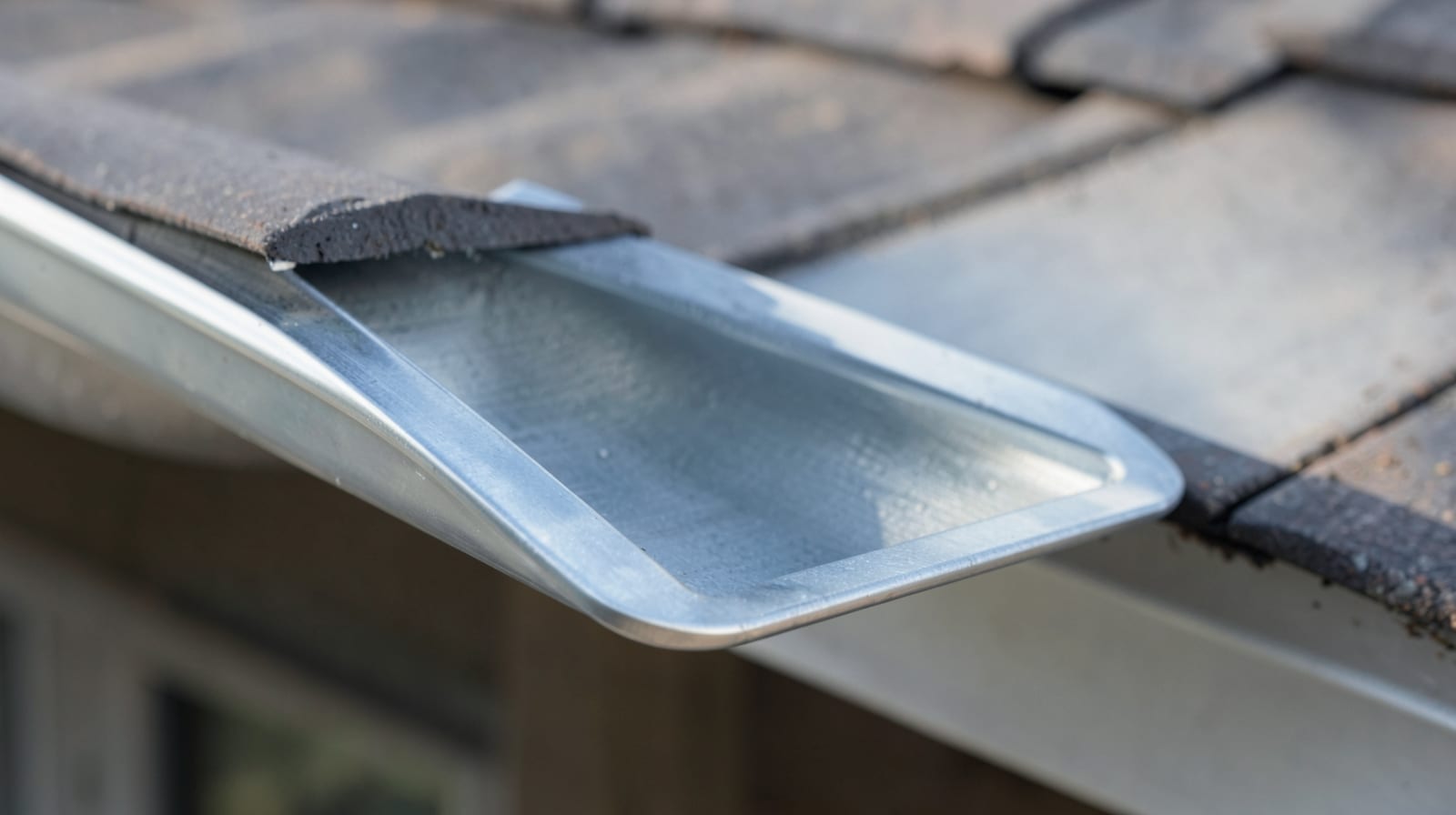
Gutter Cleaning in Tigard, OR
Whole-system gutter cleaning in Tigard, OR — clears needle buildup from every run and downspout so water is carried away from the roof and foundation, not into them.
Learn More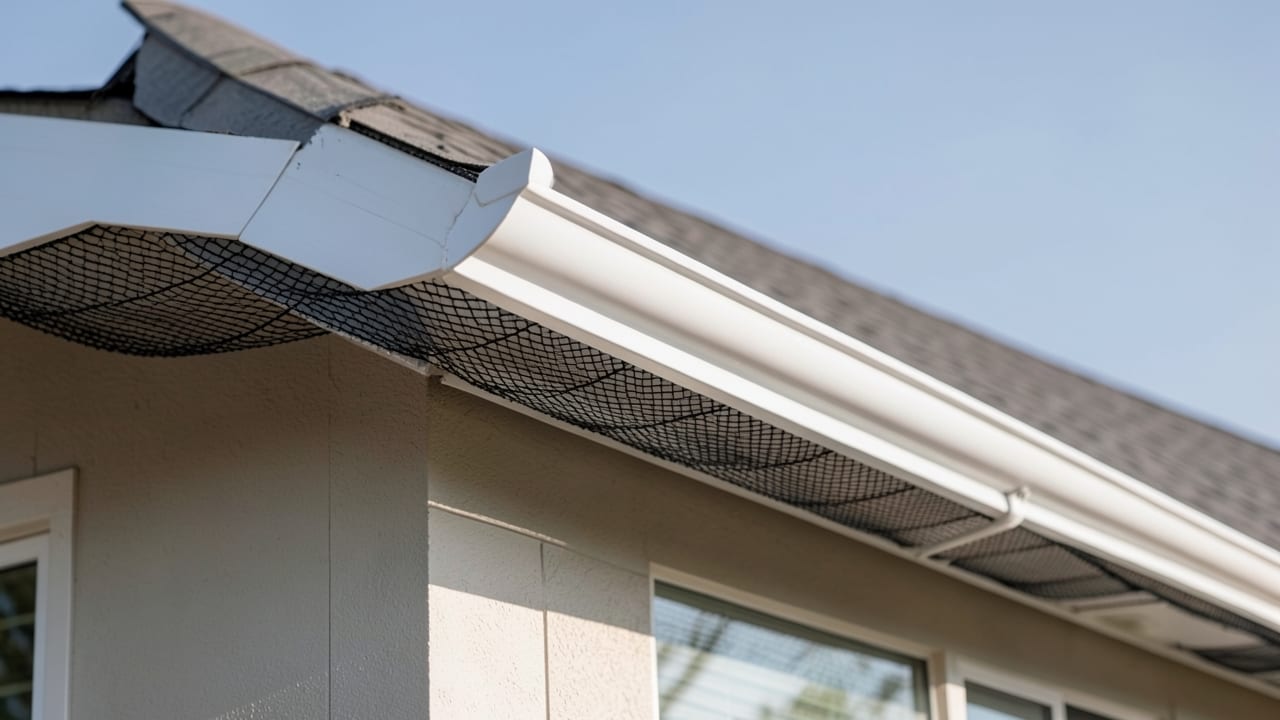
Gutter Guard Installation in Tigard, OR
Gutter guard installation in Tigard, OR reduces how often gutters need clearing by keeping needle buildup out of the trough in the first place.
Learn More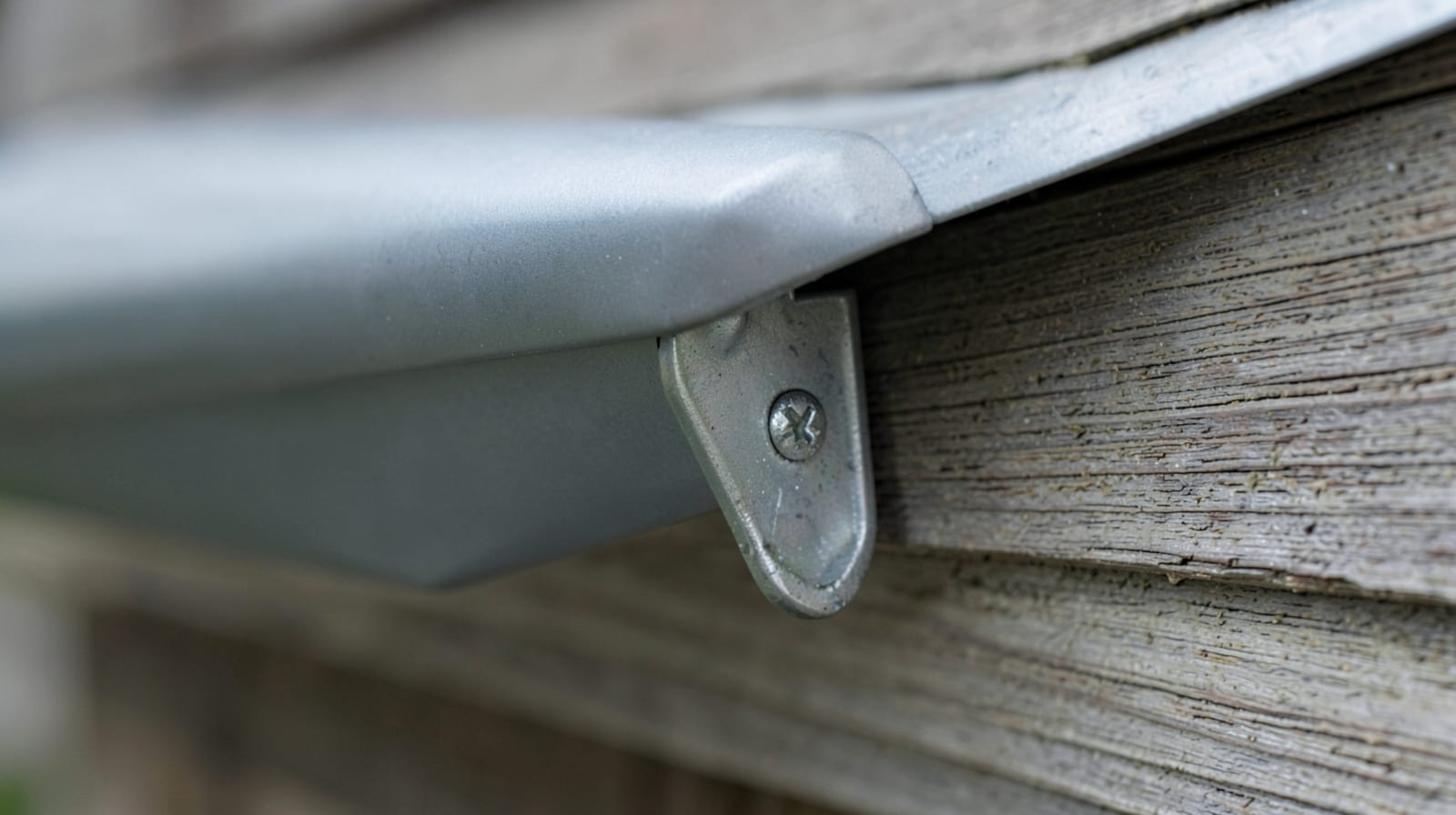
Gutter Repair in Tigard, OR
Gutter repair in Tigard, OR for sagging sections, loose fasteners, seam leaks, and gutters pulling away from the fascia.
Learn More
Downspout Cleaning & Repair in Tigard, OR
Downspout cleaning and repair in Tigard, OR clears internal clogs and fixes disconnected or misdirected downspouts that dump water at the foundation.
Learn More
Gutter Resealing & Resloping in Tigard, OR
Gutter resealing and resloping in Tigard, OR fixes leaking seams and standing water caused by a gutter that has lost its pitch toward the downspout.
Learn More
Roof & Gutter Inspection in Tigard, OR
Roof and gutter inspection in Tigard, OR checks drainage, fastener condition, and roof-edge flashing before small issues become water damage.
Learn MoreCommon Questions About Gutter Cleaning in Tigard
Everything you need to know about gutter cleaning services in Tigard
How much does Stone Veneer Gutter Flashing typically cost in Tigard, OR?
How does tree cover around Tigard, OR change gutter maintenance needs?
Does Stone Veneer Gutter Flashing require a special license in OR?
Can gutters be cleaned safely from the roof instead of a ladder?
Can standing water in clogged gutters attract pests?
How often do gutters actually need to be cleaned?
Need Gutter Cleaning in Tigard?
Get a written quote from our Tigard crew.
⏰ We answer your call • Serving all of Tigard and surrounding areas